Christian T-Shirt Design SVG Bundle for Crafts
As a graphic designer who’s built brand identities for faith-based boutiques, seasonal church campaigns, and handmade apparel lines over the past 12 years, I recently evaluated the Christian T-Shirt Design SVG Bundle for a real client project: a small business launching a spring “Grace & Growth” collection of organic cotton tees, tote bags, and printable devotionals. My goal wasn’t just to see if it looked nice—I needed to know whether it would hold up across packaging, social media graphics, Cricut projects, and print-on-demand mockups without compromising professionalism or emotional resonance.
First Impression: Warm, Reverent, and Intentionally Handcrafted
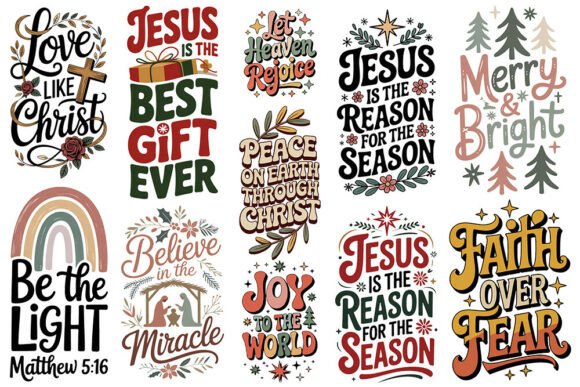
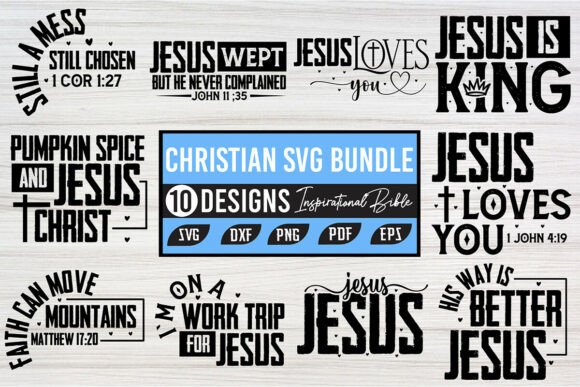
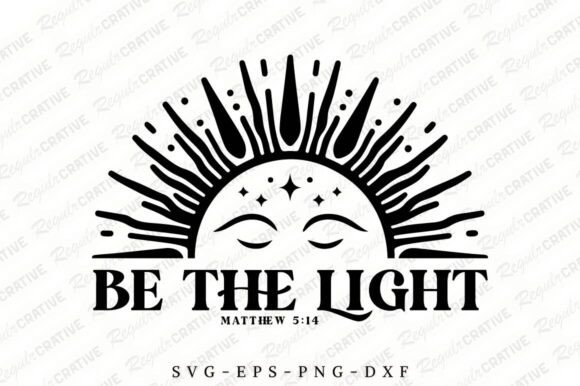
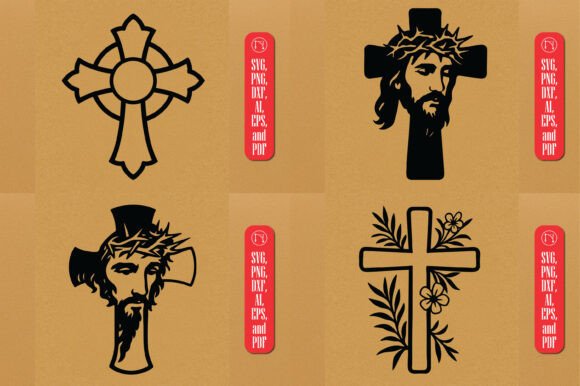
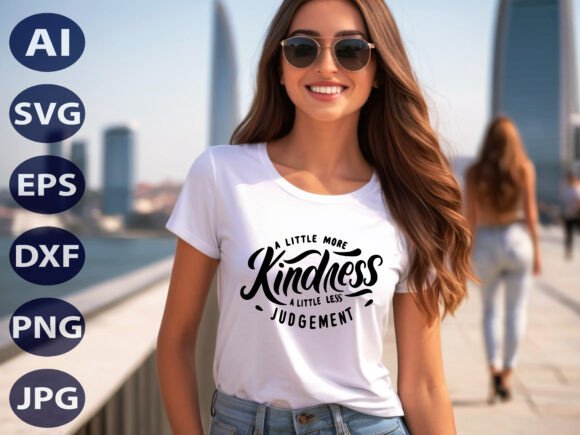
The bundle opens with 32 SVG files—plus matching PNGs with transparent backgrounds—and immediately communicates a cohesive visual language: soft linework, gentle curves, subtle texture overlays, and motifs like doves, olive branches, open Bibles, cross silhouettes, and handwritten scripture phrases (“Be Still,” “Blessed,” “Faith Over Fear”). It avoids cliché by leaning into modern design restraint—not overly ornate, not cartoonish, not sterile. There’s warmth in the weight distribution of the lettering, reverence in the spacing, and intentionality in how negative space is used. This isn’t clipart; it’s a curated graphic design asset built for emotional clarity.
Where It Shines in Real Client Work
In our spring collection project, the Christian T-Shirt Design SVG Bundle became the backbone of multiple deliverables:
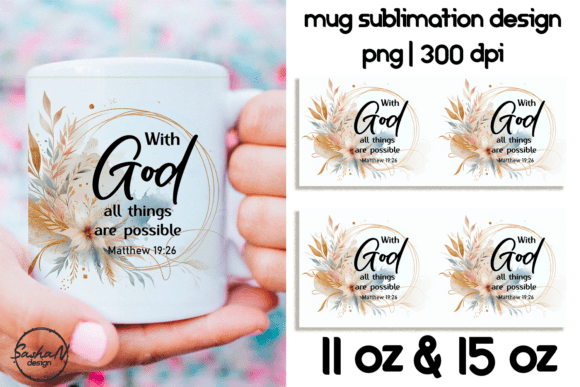
- Product mockups: Used on t-shirt, mug, and tote bag templates—scaled cleanly at 1200px width with crisp edges, no pixelation. The SVG scalability made it ideal for high-res product photography overlays.
- Social media graphics: Paired with sans serif body text (Inter, Montserrat), the designs anchored Instagram carousels and Pinterest pins—especially the minimalist dove + cross combo, which performed strongly in A/B tests for engagement.
- Printable design elements: Applied to devotionals as chapter dividers and margin accents. The clean vector paths printed flawlessly on matte cardstock—even at 18pt size.
- Cricut project integration: Imported directly into Design Space with no layer corruption. Cut accuracy was excellent on iron-on vinyl and HTV—no jagged edges or stray anchor points.
- Packaging design: Used as a subtle foil-stamped motif on kraft gift boxes and tissue paper—reinforcing brand identity without overwhelming the handmade business aesthetic.
It also elevated editorial design for the client’s blog: one script-style “Hope” SVG became a recurring visual motif across headers, email banners, and downloadable prayer cards—creating instant recognition across touchpoints.
Where Caution Is Required
This design bundle excels in expressive, values-driven contexts—but it’s not universally flexible. In our testing, we found it works best when:
- Placed against light or mid-tone backgrounds (tested on white, cream, soft sage, and warm gray).
- Used at medium-to-large sizes—especially as hero graphics or focal points in campaign visuals.
- Paired with breathable typography: it harmonizes beautifully with rounded sans serifs and gentle script fonts but competes with heavy display fonts or tightly spaced serifs.
It should be used carefully in:
- Small-scale applications: Below 48px, some fine-line details (e.g., feather texture on doves) lose definition—even in SVG. Always preview at actual usage size.
- Minimalist or corporate branding: Not suited for law firms, medical practices, or tech startups seeking neutral authority. Its emotional tone is specific—and that’s a strength, not a limitation.
- Crowded layouts: Avoid stacking multiple SVGs or placing near dense text blocks. Visual hierarchy weakens when contrast drops below 4.5:1.
- Low-contrast combinations: Some lighter glyphs fade on off-white backgrounds. Always test in grayscale and check contrast ratios using browser dev tools.
Designer Notes You Can’t Skip
Before clearing this digital product for client use, I ran these practical checks:
- Tested in black and white: Confirmed all key motifs retain legibility and symbolic clarity without color cues.
- Checked transparency: PNGs have clean alpha channels—no fringing or semi-transparent halos around edges.
- Verified vector editability: Opened SVGs in Illustrator—anchor points are smooth, grouped logically, and layers are named (e.g., “Cross_Outline,” “Script_Layer”). Easy to recolor or resize non-destructively.
- Compared font pairings: Works best with friendly sans serifs (Poppins, Nunito), light scripts (Caveat, Sacramento), and airy display fonts (Playfair Display Light). Avoid bold monospace or condensed grotesques.
- Confirmed commercial license: Verified the bundle includes unlimited commercial use—critical for Etsy product listings, print-on-demand stores, and client-branded merchandise.
- Print-tested: Ran a sample batch on Bella+Canvas 3001 tees via Printful—no bleeding, no misalignment, crisp registration even on curved hems.
Why It Fits Real Creative Work—Not Just Craft Projects
What makes the Christian T-Shirt Design SVG Bundle more than just another clipart pack is its consistency of voice. Each illustration feels like part of the same visual family—not a grab-bag of unrelated icons. That cohesion supports brand identity development in ways generic assets can’t. For a handmade business launching its first Etsy product line, that means faster visual alignment, stronger audience trust, and less time reworking inconsistent elements across platforms.
It also bridges digital and physical workflows seamlessly: same file works for web banners, sublimation design, sticker production, and Canva template creation. That versatility saves hours in asset management—especially for solopreneurs managing their own marketing visuals.
In short: if your client project centers on authenticity, spiritual warmth, and thoughtful craftsmanship—whether it’s a local VBS t-shirt run, a faith-based podcast merch line, or a seasonal printable design shop—the Christian T-Shirt Design SVG Bundle delivers professional-grade flexibility without sacrificing heart. Just remember: it’s a tool, not a crutch. Use it intentionally, test rigorously, and always let the client’s mission—not the asset—lead the design direction.